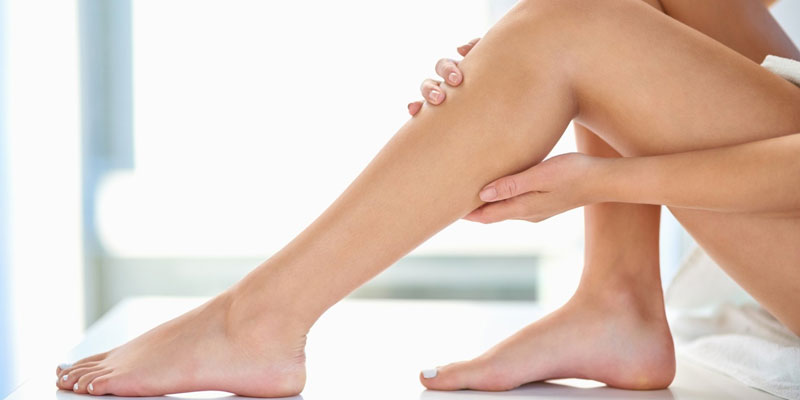
Leg aesthetics is a type of operation performed by plastic surgery specialists that has become quite popular in recent times. Just as with other areas of the body, people now attach importance to the aesthetics of their legs as well. When deteriorations occur in leg aesthetics and symmetry in women and men—sometimes due to congenital, sometimes developmental, and sometimes poor nutrition-related causes—leg aesthetic procedures are needed to correct these pathologies. Leg aesthetic operations are also performed in cases of significant sagging that occur, particularly on the inner calves, after extensive weight gain and loss or bariatric surgery.
Operation Methods
These can generally be listed as: liposuction/fat removal for excess fatty tissue accumulation in the calf area, and correction of asymmetries known as crossed or X-shaped legs below the knee through fat tissue transfer to deficient areas or with the help of silicone implants manufactured for this purpose.
Bowed Leg Aesthetics
Bowed legs, which are often encountered due to genetic or developmental factors and sometimes nutrition-related conditions, are a common form of asymmetry generally seen starting below the knee. They are treated with fat transfers, synthetic fillers, or silicone implants.
Under local or general anesthesia, this condition can be corrected with fat grafting, temporary fillers, or silicone implants. When fat grafting is performed, fat tissue is generally harvested from the calves, abdomen, or buttocks and injected into the inner parts of the legs in order to achieve a more even contour. Since some of the fat will take and some will be reabsorbed, it is more appropriate to transfer more fat than normal during this session. In order for the fat tissue to take, it will be necessary to rest for 4-5 days with the legs elevated on a single pillow and to avoid movement. In this way, the transferred fat tissue will take more effectively in this area and no additional procedure will be required. If necessary, a second session can be performed after 6 months, or in some cases this revision can also be carried out with hyaluronic acid-based fillers. If a silicone implant has been used, 3-4 days of rest will be sufficient. In any case, a return to normal life will be possible on day 10.
What Is Lipedema and Venolipedema Treatment?
This is a condition generally seen in women, involving excessive fat retention in the legs and the resulting thickening of the legs at this stage. This condition, which can occur at a young age, is addressed through leg aesthetics methods that slim the legs and remove fat from them. Venolipedema, one of the same group of conditions, can lead to vascular occlusion if left untreated. Leg aesthetic procedures, applied not only for beauty but also to relieve these conditions, are among the ideal methods for removing fat, reducing cellulite, and eliminating bowed leg issues. Aesthetic surgeons inform patients about the methods to be applied in order to slim the legs and correct their posture, achieving a more attractive appearance for the legs in a short time.
How Is Leg Aesthetic Surgery Performed?
Leg aesthetics methods can vary depending on the patient’s condition and the areas of concern. For patients who complain about fat accumulation and thickness in the legs, the fat contouring method is generally used, with liposuction removing fat from the hips, inner knees, inner thighs, and ankle areas. There are also procedures such as silicone implant placement and bone correction for bowed leg or bracket leg conditions.
To correct the bone structure of the leg and achieve an attractive appearance, a 2 cm incision is made behind the knee, and a silicone implant suited to the body is inserted to give the leg an aesthetic appearance. The methods applied to achieve an aesthetic and attractive leg appearance can vary depending on the patient’s condition and preferences.
How Long Does Leg Aesthetic Surgery Take?
Leg aesthetics surgery generally takes between 1 and 3 hours. Of course, this can vary depending on the patient’s condition and the physical state of the legs. The duration of the operation also varies depending on factors such as the correction of sagging caused by weight fluctuations, fat removal, and correction of bone curvature in the legs.
How Long Does It Take Leg Aesthetics to Heal?
Since the legs are responsible for walking and balance function, it will be sufficient for patients to remain immobile for one day after the aesthetic operation. Patients, who are discharged the day after the surgery, generally return to their normal lives after 1 week. Patients should avoid sports activities during the first week, and shoe and sock choices should be made according to the doctor’s recommendation.